
Orientdig Finds
Spreadsheet
OVER 5000+
WITH QC PHOTOS
📊 Understanding Global Product Evolution with Orientdig spreadsheet and Orientdig links
Global e-commerce is no longer defined by static product listings. Products constantly move through cycles of emergence, attention growth, saturation, decline, and reappearance. The Orientdig spreadsheet is designed to structure these lifecycle stages into organized datasets, while Orientdig links focuses on connecting cross-market signals that explain how these transitions happen across different environments.
This creates a system where product behavior is understood as movement over time rather than isolated availability.
🔄 How Product Lifecycles Are Structured
In modern digital markets, products rarely remain stable. The Orientdig spreadsheet organizes these changes into structured lifecycle phases, while Orientdig links maps how these phases connect across platforms and regions.
Typical lifecycle stages include:
Initial emergence in niche markets
Rapid attention accumulation
Peak saturation and visibility
Gradual decline in demand
Secondary re-entry or reinvention
The Orientdig spreadsheet records these stages in structured form, while Orientdig links connects related lifecycle movements across multiple markets.
📈 Why Market Evolution Tracking Matters
Traditional platforms only show current product availability. The Orientdig spreadsheet and Orientdig links approach market data from a temporal perspective, focusing on how products change over time.
This allows users to understand:
When products begin gaining traction
When demand reaches saturation points
When interest begins to fade
When older products return in new cycles
How different regions experience different lifecycle speeds
The Orientdig spreadsheet provides structured lifecycle mapping, while Orientdig links reveals how those patterns spread across markets.
🧩 Distinct Functional Roles in the System
Although both operate within the same ecosystem, each serves a different purpose.
📊 Function of Orientdig spreadsheet
The Orientdig spreadsheet is responsible for structured lifecycle organization. It includes:
Product entry tracking across timelines
Growth and peak phase classification
Decline and transition labeling
Historical lifecycle structuring
Category-based evolution records
It serves as the structured foundation of lifecycle intelligence.
🔗 Function of Orientdig links
The Orientdig links system focuses on cross-market relationships. It captures:
Product movement between platforms
Regional differences in lifecycle timing
Cross-category behavioral shifts
Reappearance patterns in different markets
Structural connections between related signals
It acts as the connectivity layer that explains how lifecycle behavior propagates.
🌐 Regional Differences in Product Lifecycles
Product evolution is not uniform across global markets. The Orientdig spreadsheet records lifecycle differences, while Orientdig links connects these variations across regions.
For example:
A product may peak early in one region but slowly in another
Some markets experience longer saturation phases
Certain products reappear in different categories depending on location
Demand cycles may repeat differently across platforms
These differences become visible when structured data from the Orientdig spreadsheet is connected through Orientdig links.
🧠 Value for Users
Users working with the Orientdig spreadsheet gain structured insight into product lifecycle stages. Users analyzing Orientdig links gain visibility into how those stages connect across global systems.
Together, they enable users to:
Detect early-stage product emergence
Understand saturation timing across markets
Track product revival cycles
Compare lifecycle speed between regions
Analyze global demand evolution patterns
This transforms product discovery into lifecycle analysis.
🚀 Ongoing System Development
The Orientdig spreadsheet continues to expand its structured lifecycle datasets, while Orientdig links improves its cross-market signal mapping capabilities.
Future development focuses on:
More precise lifecycle stage detection
Stronger inter-market signal correlation
Improved early trend identification
Enhanced revival pattern tracking
Deeper structural modeling of product evolution
🎯 Final Insight
The Orientdig spreadsheet structures product lifecycle data, while Orientdig links connects cross-market movement signals. Together, they provide a structured way to understand global commerce as an evolving system rather than a static collection of listings.
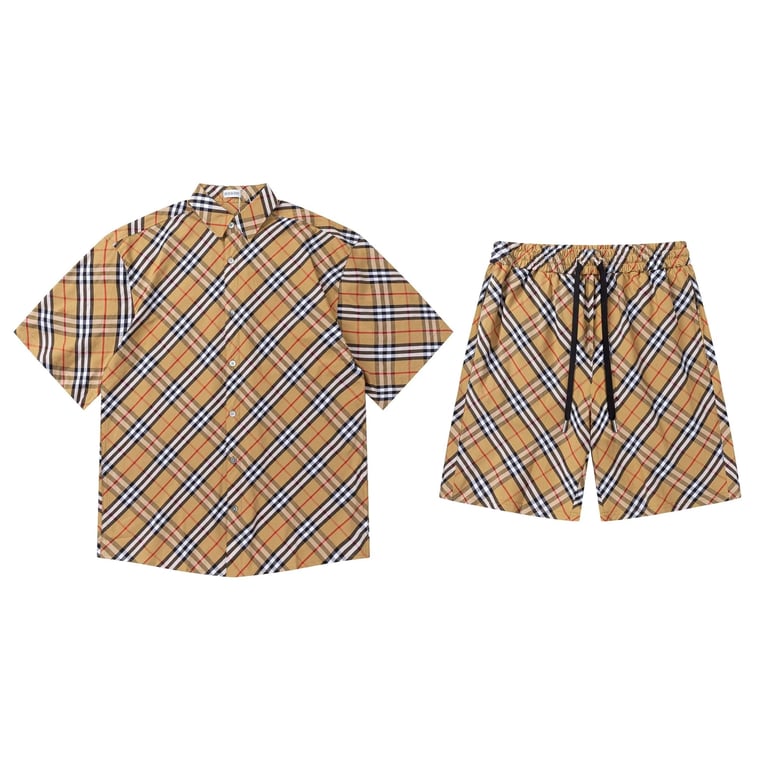
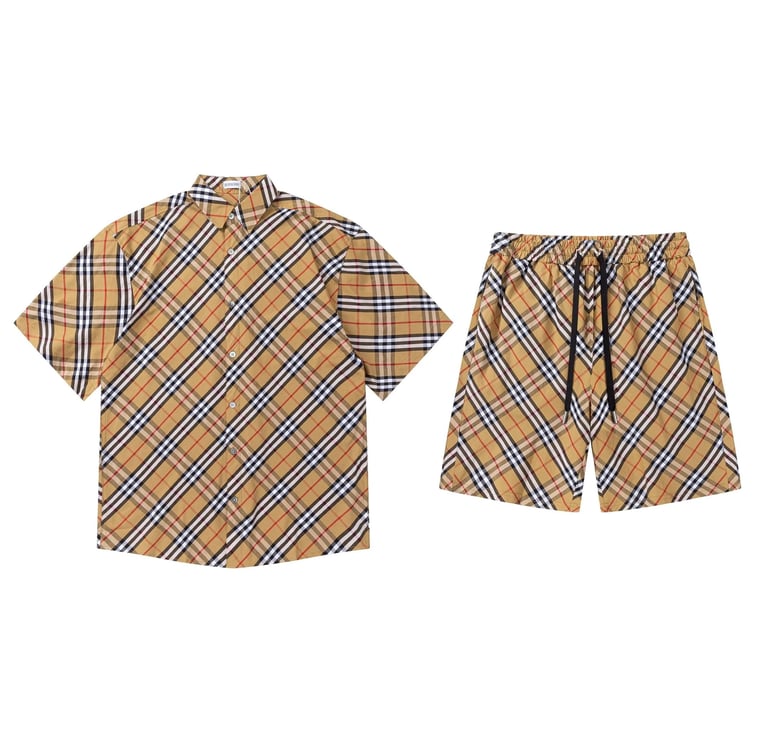
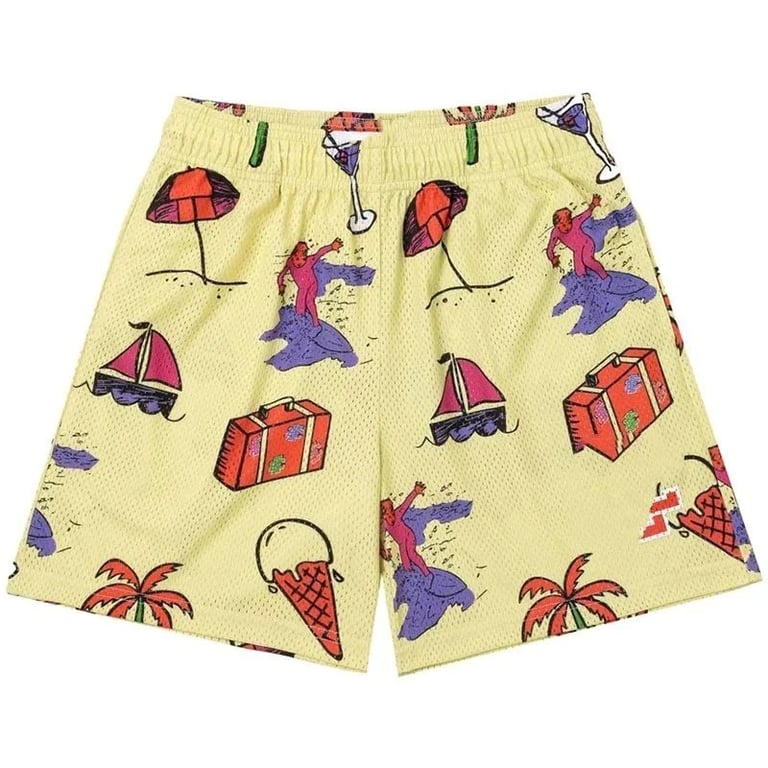
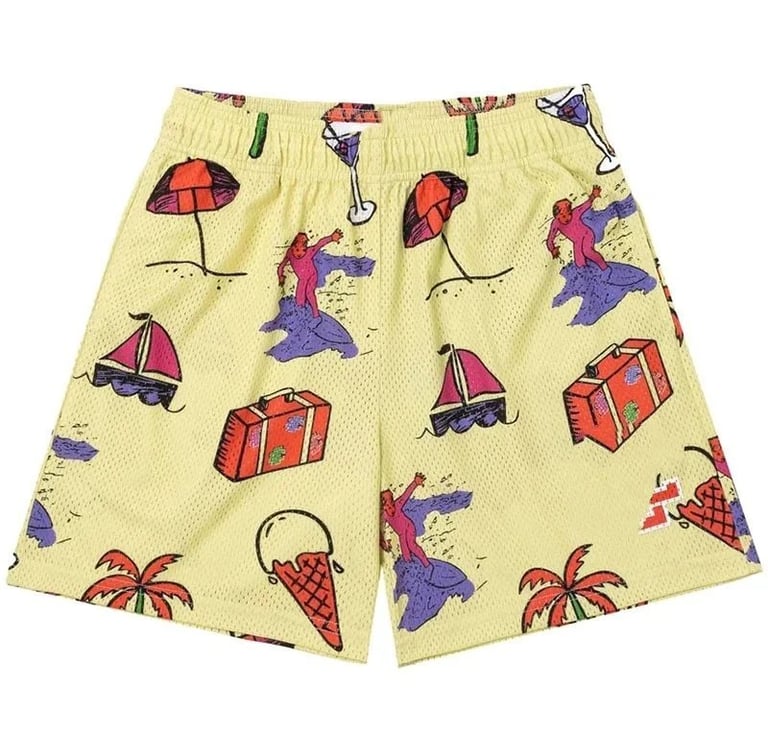
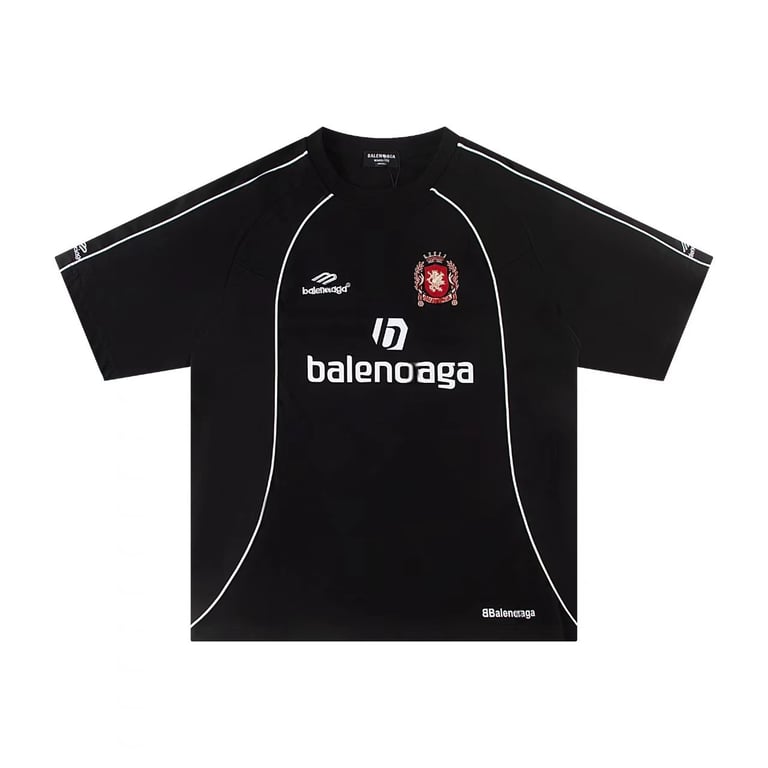
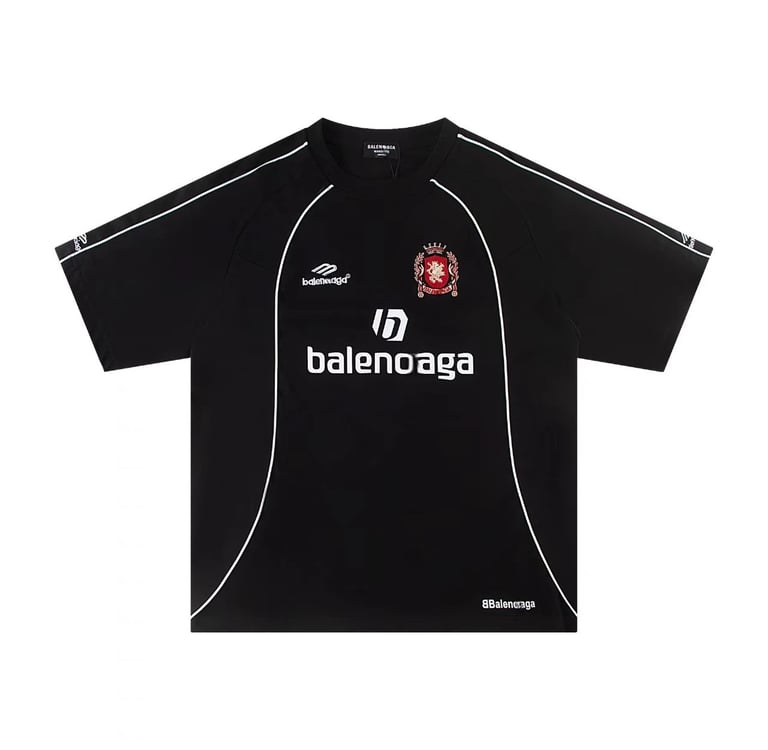
Click the images below to browse!














Frequently Asked Questions (FAQ)
Q1: What problem does the Orientdig spreadsheet try to solve?
The Orientdig spreadsheet is designed to solve the issue of fragmented global product information. In many markets, the same product appears with different names, formats, and timing. The Orientdig spreadsheet focuses on organizing these inconsistencies into a unified structure so users can understand how information is distributed across platforms.
Q2: What role does Orientdig links play in the system?
The Orientdig links system focuses on relationship mapping between product data points. Instead of looking at individual items, it connects related entries across platforms, showing how similar or linked products are represented in different digital environments.
Q3: How does this system treat “product information”?
In this system, product information is treated as data fragments rather than fixed listings. The Orientdig spreadsheet groups these fragments into structured records, while Orientdig links connects them into relational networks that reveal how information is duplicated or transformed online.
Q4: Why is data fragmentation a key focus?
Global e-commerce platforms often repeat or modify the same product information across different channels. The Orientdig spreadsheet identifies these fragments, and Orientdig links shows how they are distributed, modified, or restructured across systems.
Q5: What kind of structure does the Orientdig spreadsheet create?
The Orientdig spreadsheet creates a normalized structure where inconsistent product entries are reorganized into unified data rows. This helps users see relationships between entries that would otherwise appear unrelated.
Q6: What insights can be gained from Orientdig links?
The Orientdig links system reveals how product information spreads and mutates across platforms. It highlights duplication chains, naming variations, and structural overlaps between different marketplaces.
Q7: Is this system focused on buying decisions?
No. The Orientdig spreadsheet and Orientdig links are not designed for direct purchasing decisions. They are built to analyze how product data is structured and transmitted across digital environments.
Q8: How does this system handle duplicated products?
Duplicated products are not treated as errors. The Orientdig spreadsheet records them as structured entries, while Orientdig links maps the relationships between these duplicates to show how widely a product is replicated across systems.
Q9: Can this system show inconsistencies in product data?
Yes. One of its core functions is identifying inconsistencies such as naming differences, category mismatches, and regional variations. The Orientdig spreadsheet organizes these inconsistencies, and Orientdig links connects them into visible patterns.
Q10: What is the overall goal of this system?
The goal is to transform fragmented global product information into structured and connected data. The Orientdig spreadsheet focuses on normalization, while Orientdig links focuses on connectivity, allowing users to understand the underlying structure of digital commerce information rather than isolated product listings.